Besides bulbs that herald spring, there are also those that with their grace adorn gardens in summer and autumn. They dislike cold and are planted from March to May. This is exactly the right time to plan the flower garden. In the period when these beauties bloom in the garden there are many interesting flower species, so we must plan the flower bed well so that our bulbs show themselves in the best light.
Planting
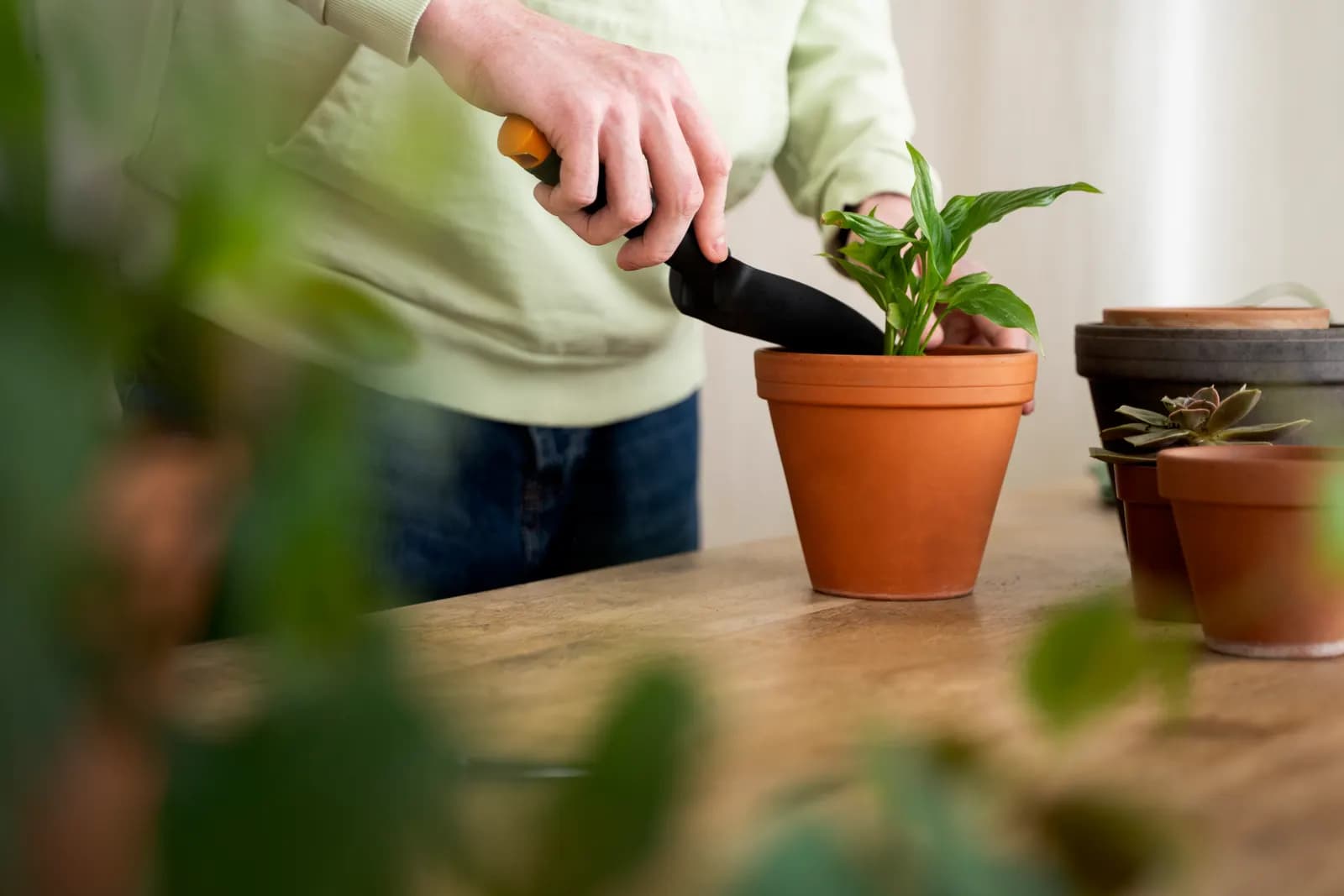
When planting, press the bulb firmly into the soil so that its base is in contact with the soil. If you drop it into the hole, an air pocket may form beneath the bulb and it will not be able to root. For planting depth, a depth of 2 to 3 times the size of the bulb is usually taken. To achieve a nicer flowering effect, bulbs are usually planted in groups. The spacing between small bulbs is 8-10 cm, and 10-20 cm for larger ones. To be sure of the quality of the bulbs, we buy them from shops authorised to trade planting material. Before planting, the soil should be well fertilised. Use Plantella Organik, an organic fertiliser that will supply all the nutrients your beauties need.

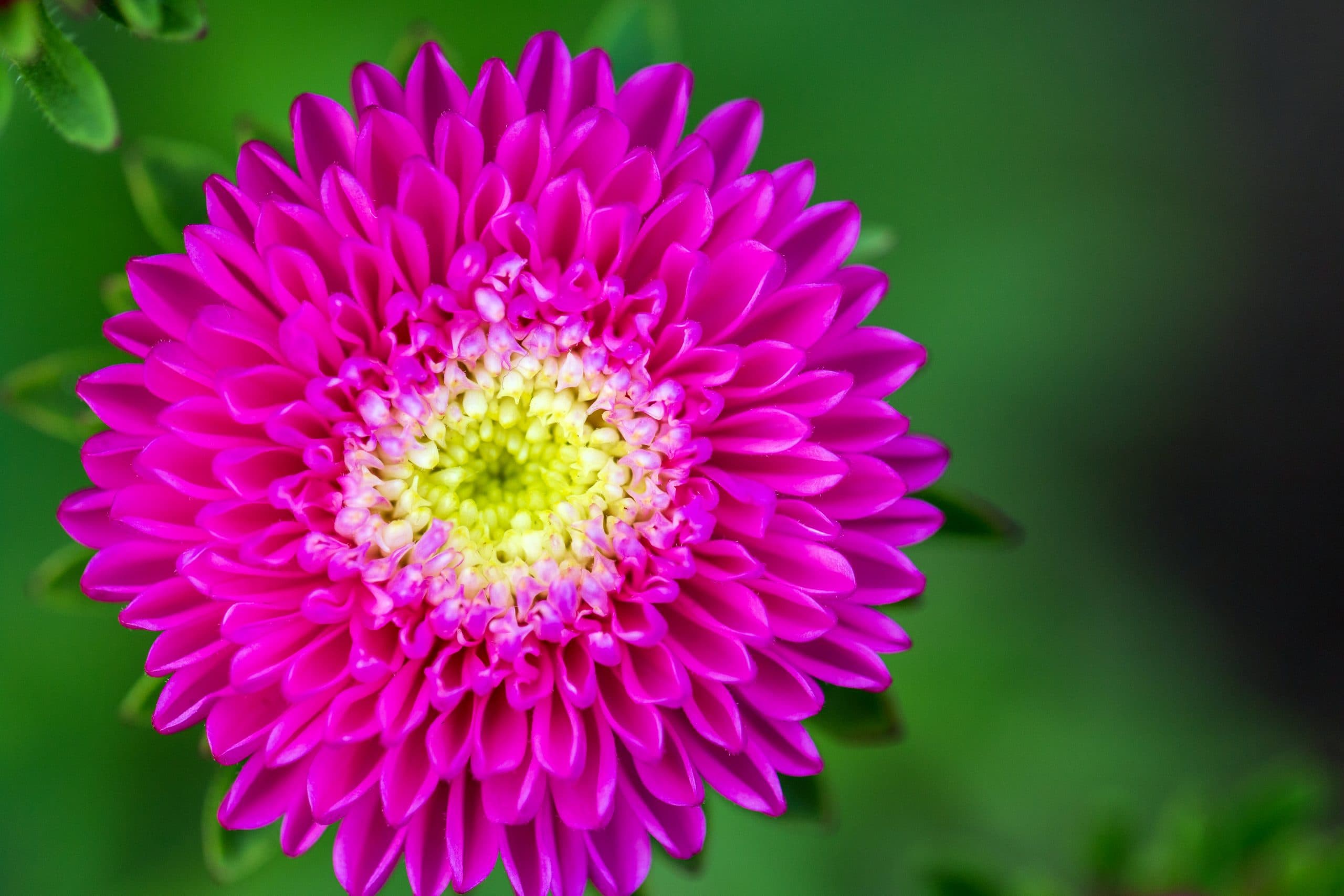
Dahlia (Dahlia hybrida)
A very rewarding species, as its flowering decorates our gardens from the end of summer until the first autumn frosts. Its tuberous roots are sensitive to frost, so we plant it once that danger has passed, which is usually from late March to mid-April. It is planted at a depth of 15 cm, so that the root neck stays covered by a layer of soil about 5 cm thick. Dahlia is very adaptable. It grows on almost all types of soil, although it is considered a plant that prefers humus-loamy soil. It likes sun, but prefers partial shade, that is, a position where it is not exposed to the sun all day. In dry periods regular watering is needed, and it can be protected from drying out by using mulch (chopped bark, which also has decorative qualities).

Gladiolus (Gladiolus sp.)
They are planted from mid-April to mid-June. If you want your gladioli to bloom continuously throughout the summer, plant them at 14-day intervals, starting in mid-April. This way you will get continuous flowering, since the flowering of one spike does not last longer than 14 days. If you plant them individually, they need a support, but if you plant them in groups close enough to each other, this is not necessary.

Lily (Lilium sp.)
Planting can be done in autumn or in spring, depending on the species. A lily bulb has no protective skin, so it dries out easily, which is very important to watch. When planting all lily varieties, cover them with a 10 cm layer of soil to prevent the bulb from drying out. It is important to plant them in a sunny spot in the garden. If the plant does not get enough light, it will start to bend towards the side from which more light comes. During dry periods they need regular and generous watering so the lily does not run out of moisture, since the bulb has no protective covering.

Freesia (Freesia hybrida)
A very common flower in arrangements. Although it is used for cutting, if you have the chance to plant this beauty, plant it at the end of April so that it blooms from August to October. The planting spot must be semi-shaded and sheltered from wind, and the soil fertile and well drained. They are planted in groups, at a depth of 5-8 cm, and the distance between corms is 10 cm. Each corm will send up 4-6 flower stalks, each with 10-15 fragrant flowers. With freesias, regular watering is very important.

Begonia (Begonia)
The begonia family includes colourful annuals with rich flowering. Species can be double or single, shrubby or trailing. Tubers are planted in spring, from February and March, in pots filled with a loose soil mix. Pots with tubers should be watered and kept in a warm, bright place, but not in direct sun. In mid-May the plants can be transplanted into the garden. They can be planted in balcony containers or in garden beds. Begonias need a loose soil mix made of leaf or bark compost and sand. Shaded positions suit begonias. During summer it is advisable to feed them more often. The spacing between plants is 20 to 30 cm, and depending on the variety they grow to 25 to 40 cm. They flower from May to October. Tuberous begonias are sensitive to frost, so they must be lifted from the soil, the leaves cut off and the cleaned tubers stored in a cellar. It is best to store them in boxes filled with dry sand. From February begonias are ready to grow again. Begonias are susceptible to powdery mildew, so plant protection must be applied.

Canna (Canna)
Canna is a plant with exotic flowers and lush red-brown leaves that are very decorative. It flowers in red, pink, yellow and orange. From March the bulbs can be planted in pots and kept at room temperature. In mid-May the plants can be transplanted into the garden. Canna can grow in large containers or in garden beds. The spacing between plants is 40 to 50 cm, and they grow 60 to 130 cm tall. It flowers from June to October. Canna prefers a sunny, sheltered spot and loose soil rich in humus. During the summer months it should be fed once or twice a month. Originating from India, it is not hardy in winter. After the first frost that destroys the leaves, the bulbs are lifted with the soil and stored on damp sand in the cellar. The following year canna will start to grow again. Because of its exotic origin, canna looks a little unusual, so it is best planted in pots as a decorative stand-alone group of flowers.

Contact us for more information about the species we have available in our range!