

Fruit tree saplings
Growing fruit
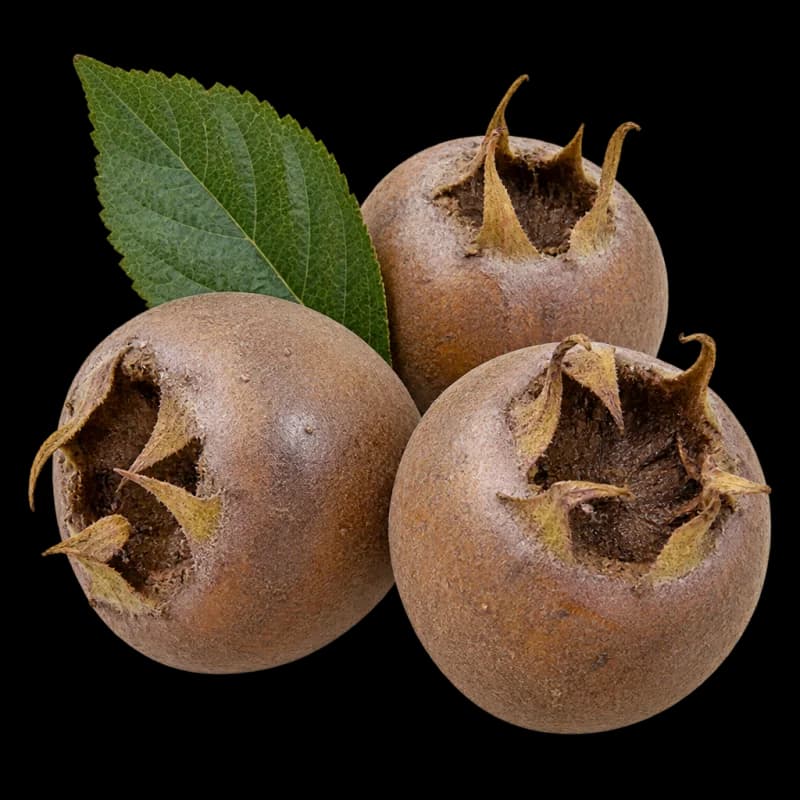
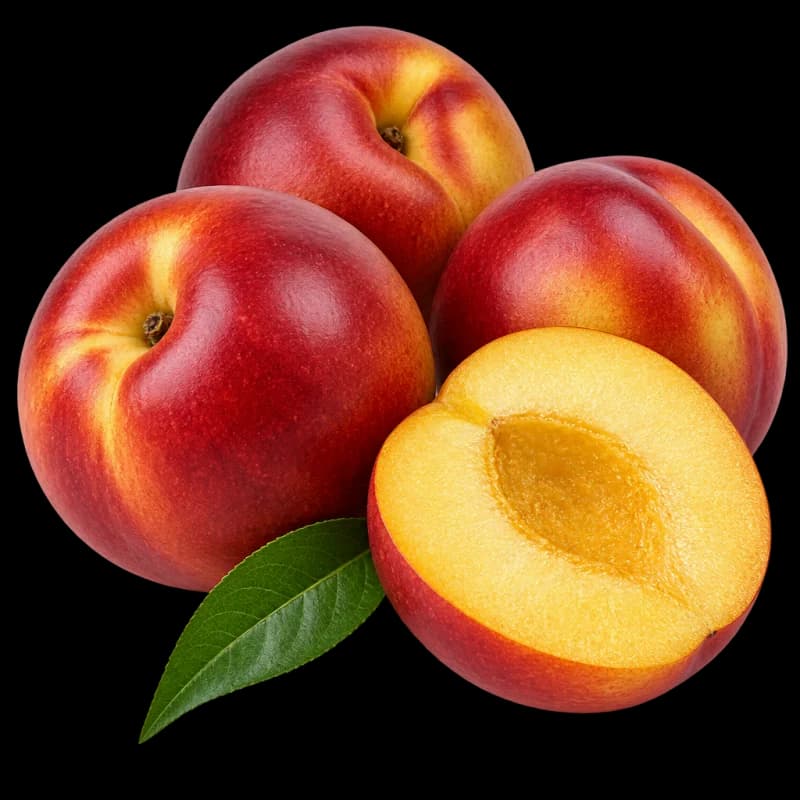
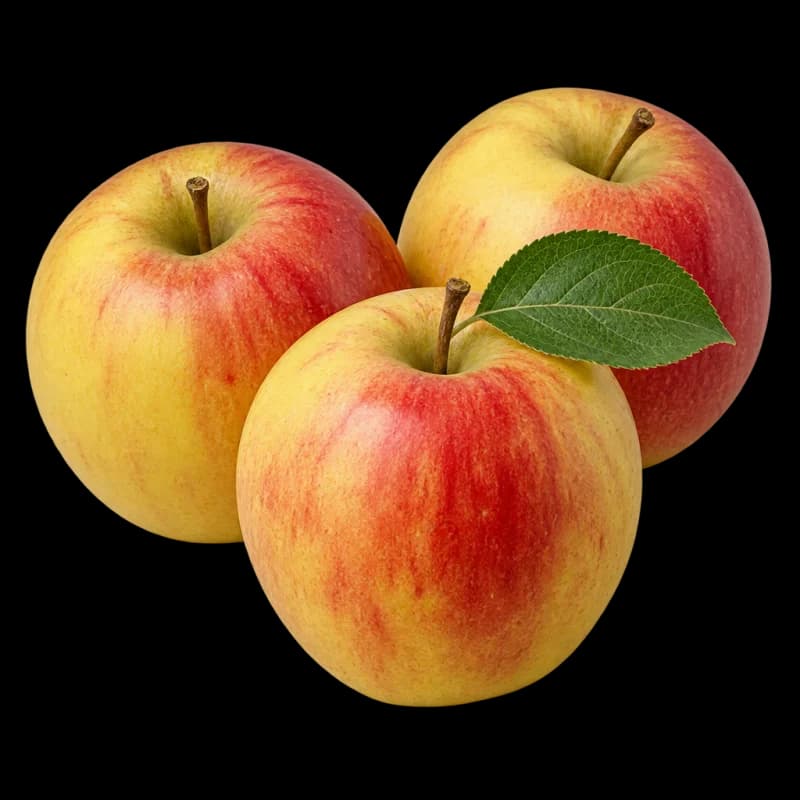
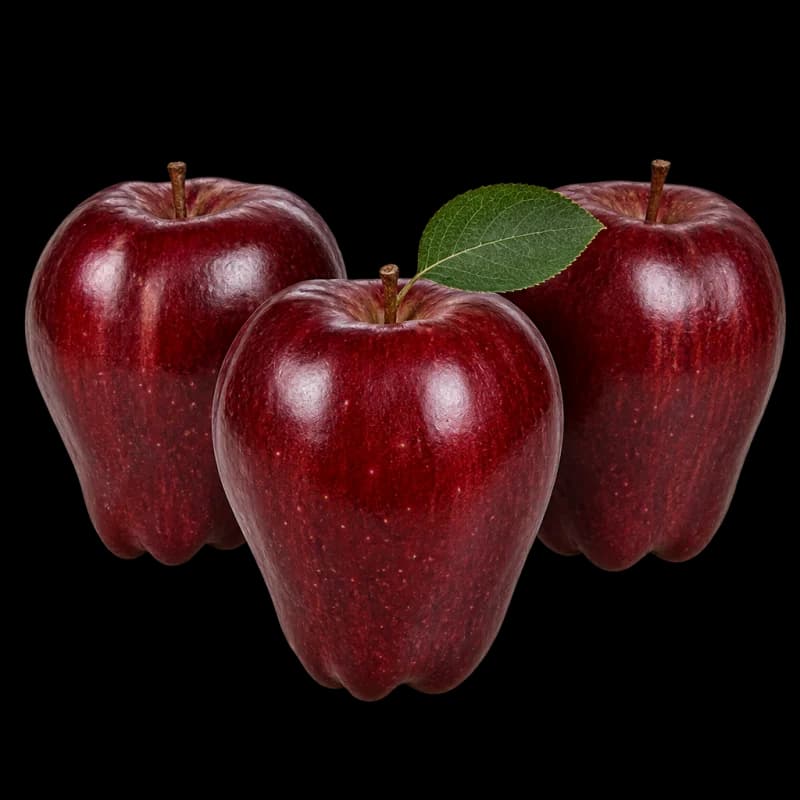
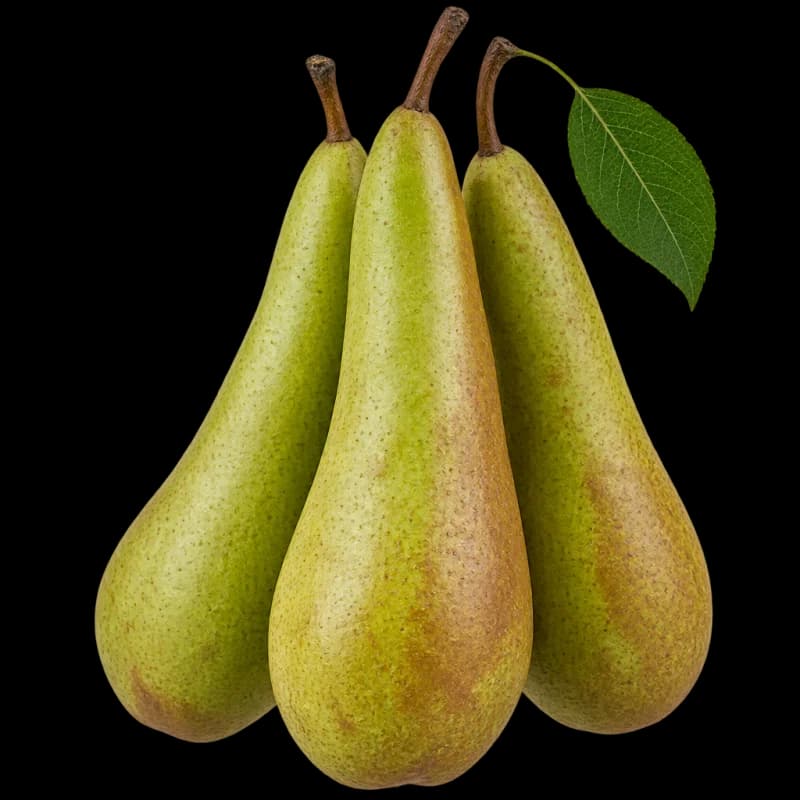
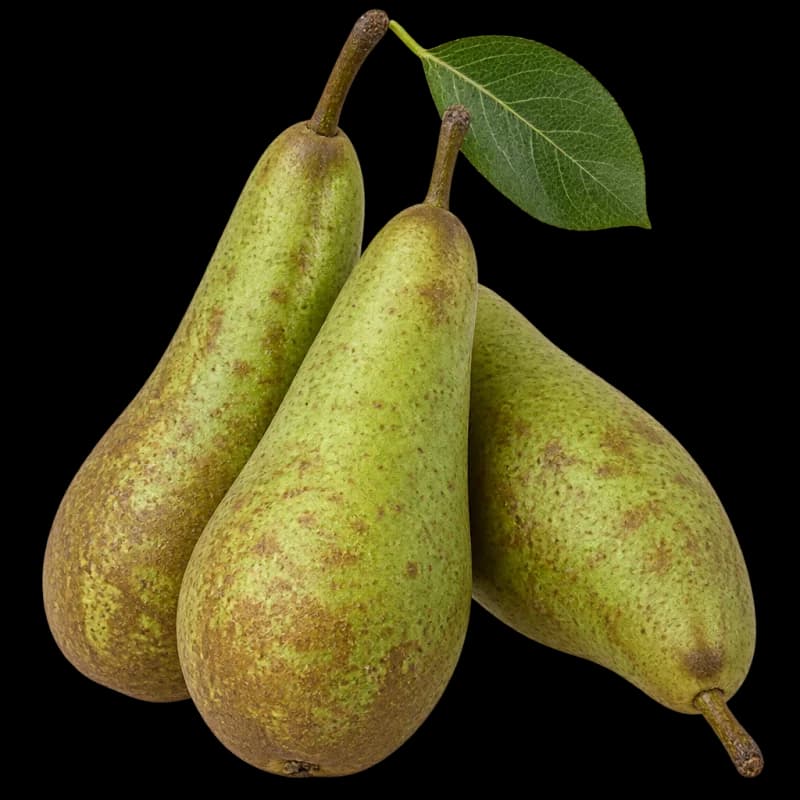
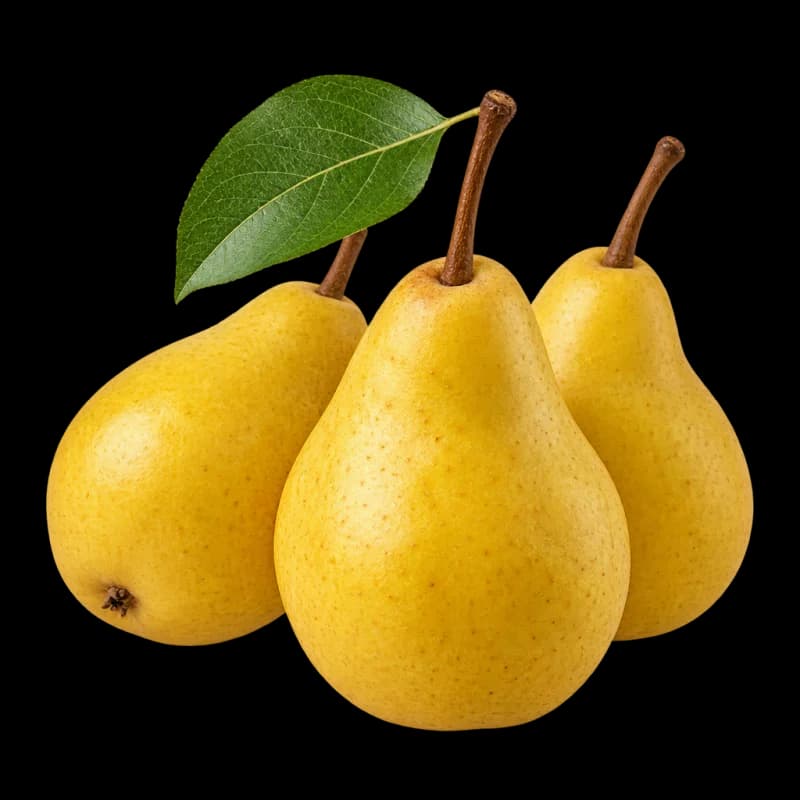
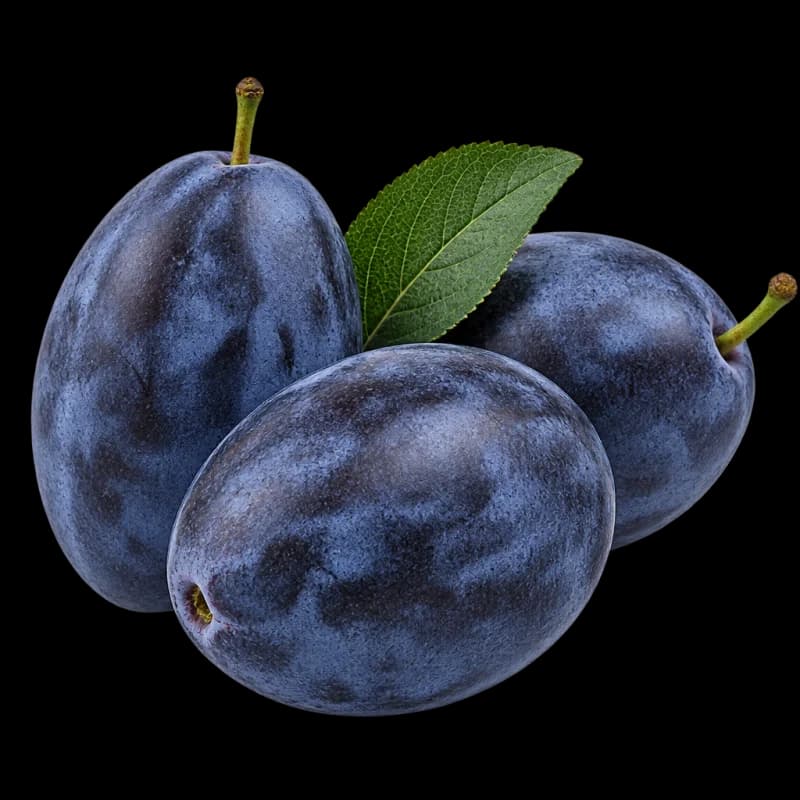
Anyone who plants fruit trees wants a healthy and abundant crop, and that starts with choosing a good sapling. The range includes saplings of apples, pears, plums, cherries, sour cherries, peaches, apricots, nectarines, quinces and medlars, then walnuts, hazelnuts, grapevines, blueberries, cranberries and other berry fruit, as well as miniature fruit trees.
Read more
Establishing an orchard is the most complex and most responsible task in fruit growing, because mistakes in choosing and planting only become apparent after several years, when they are hard or impossible to correct. Fruit tree saplings are planted in autumn and in spring. Autumn planting has several advantages: there is a wider choice of varieties, and the sapling takes better and grows faster in its first year. Flat, undulating and gently sloping land is most suitable for an orchard. The planting density is determined by the rootstock on which the tree is grafted, so we distinguish weak, medium and vigorous rootstocks (seedling). If you are establishing an orchard, it is best to consult an expert on choosing the variety, the planting method and protecting the saplings during the growing season.
Types of fruit
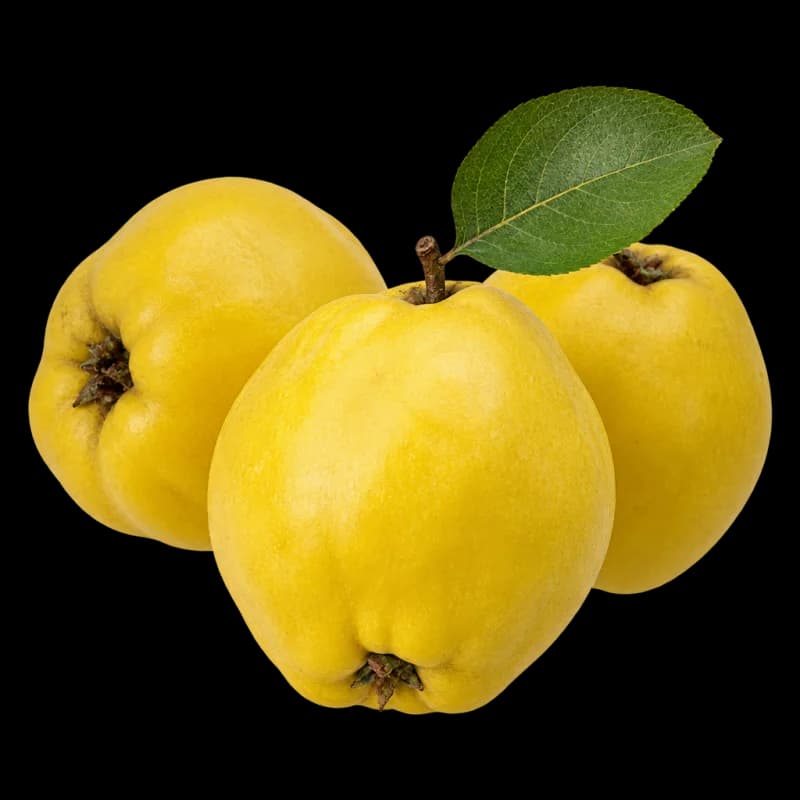
- Pome fruit: apple, pear, quince, medlar
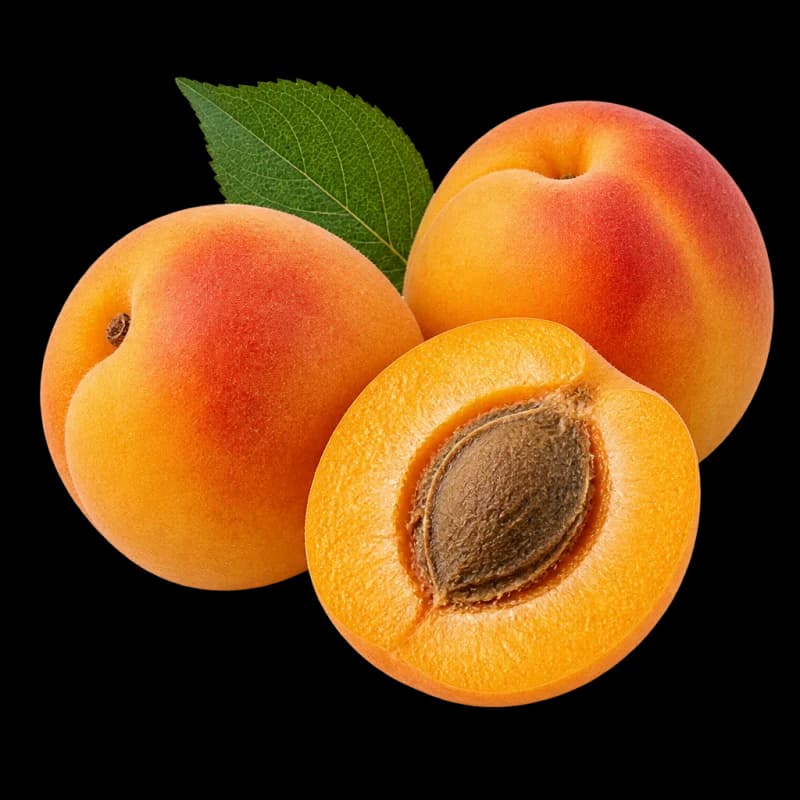
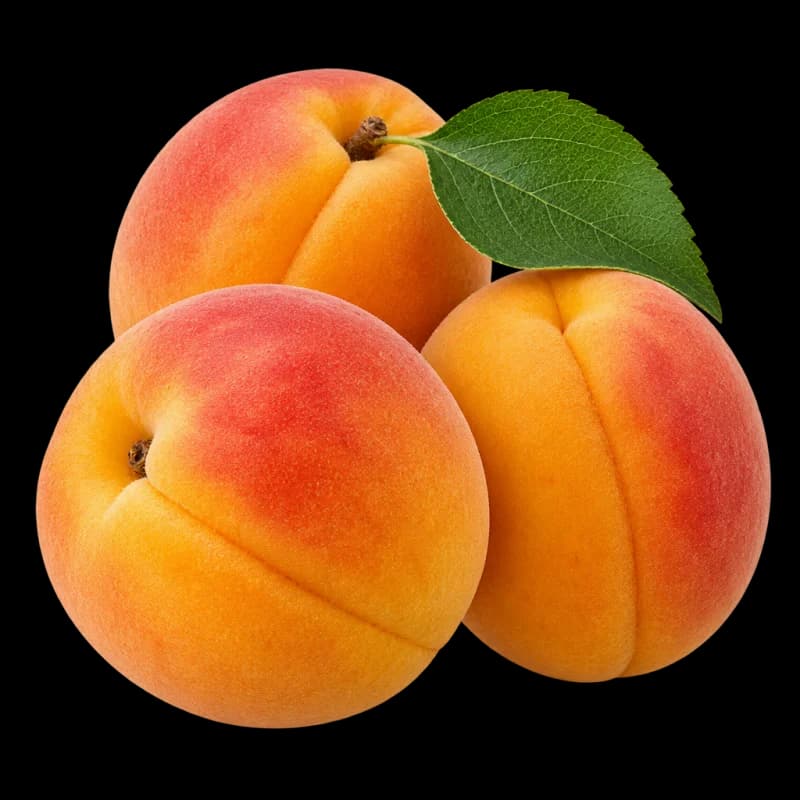
- Stone fruit: peach, apricot, plum, cherry, sour cherry
- Berries: strawberry, raspberry, blackberry, redcurrant
- Nuts: walnut, hazelnut, almond, chestnut
- Citrus: lemon, orange, mandarin, grapefruit
- Southern: fig, olive, pineapple, banana
- Exotic: avocado, kiwi, mango, papaya
- Wild-growing: cranberry, cornelian cherry, wild strawberry, blueberry, blackberry, pomegranate
140 products
Tips on growing fruit
Fruit planting is best done in autumn, as the take of saplings is then one hundred per cent. The plant has enough time to root and starts growing vigorously from spring. Prepare the saplings for planting by soaking them in a mixture of soil, manure and water for about two hours before planting. For individual planting, dig holes of about 50 x 50 x 50 cm, place manure at the bottom of the hole and cover it with loose soil. Then plant the tree and backfill with soil, making sure the root collar is covered by 2 to 3 cm of soil. Secure the plant with a stake and tie it with rope so that it withstands strong winds, and water it generously.
When planting in spring, growth is weaker in the first year, the planting period is short and watering needs are high, which increases costs. In our climatic conditions, October and November are ideal times for planting many types of saplings, so our recommendation is to keep to those dates. Before planting fruit trees certain preparations are necessary: make a plan, choose varieties, prepare the ground, carry out deep ploughing or digging of individual holes, and so on. Your success depends on these preparatory steps, so it is advisable to consult experts, that is, fruit growers. The most important factor in establishing an orchard is the sapling. Mostly one-year-old saplings are planted; they should have at least three main roots 20 to 30 cm long, and be covered with fine roots. The above-ground part should be at least 1 metre long, except for sour cherry and peach, which may be up to 0.70 metres. They should be grafted at a height of 10 to 15 cm above the ground, and the graft point should be well healed.