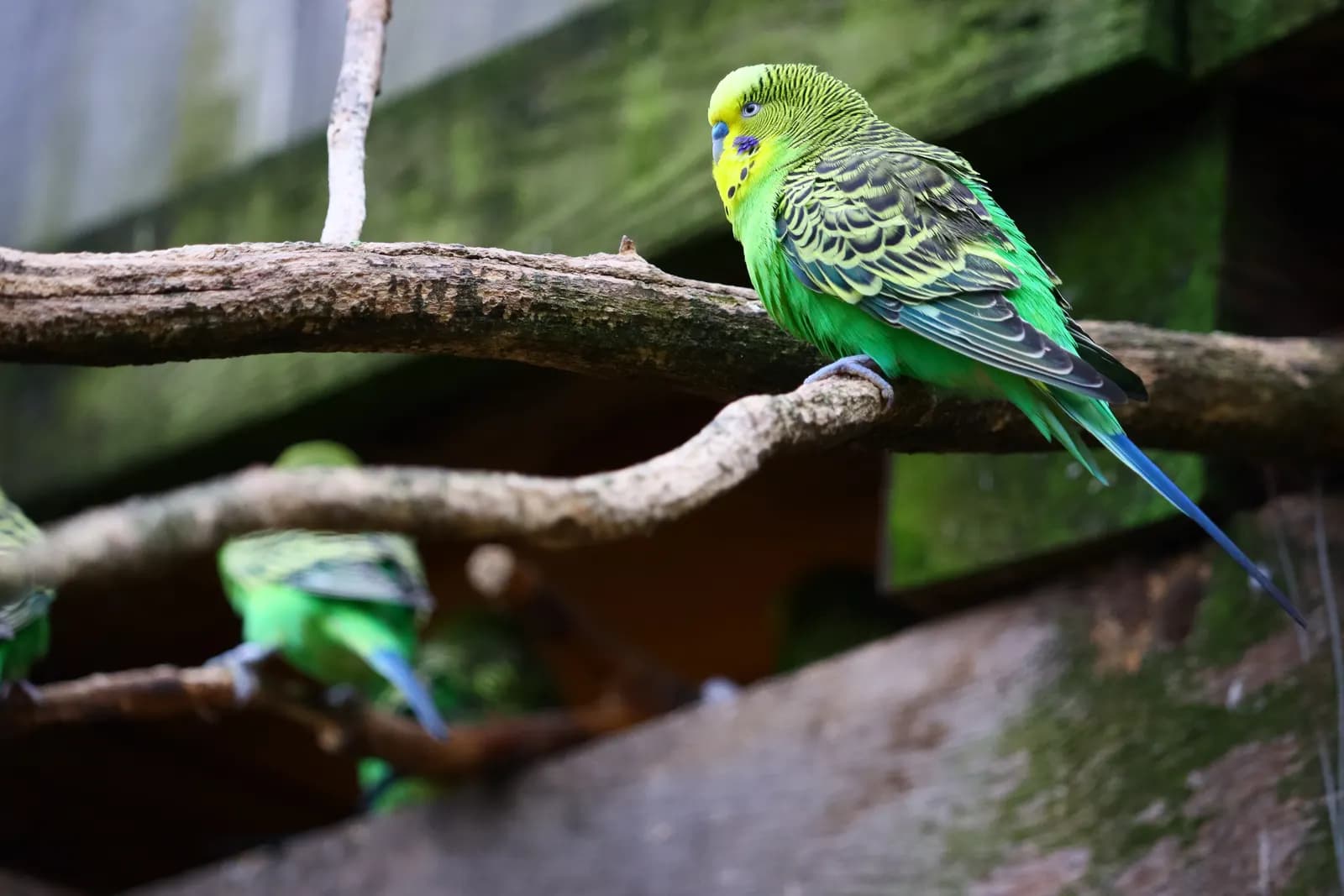
The basis of the diet of zebra finches and canaries is a quality seed mix made specifically for that bird species, along with fresh water every day, a little fresh green vegetables and a constant source of calcium, such as cuttlebone. Treats such as honey sticks are given now and then, not every day.
Birds in a cage cannot choose their food themselves as they would in nature, so their health, plumage and song depend most on what you put in their feeder. Here is how to do it properly.
What do zebra finches and canaries eat?
Although both birds are seed eaters, their mixes are not the same. Mixes for zebra finches are based on various types of millet and light seed, while mixes for canaries contain more small oily seed. So buy food that clearly states which bird it is for, not a universal mix.
- Basic seed mix makes up the largest part of the daily diet.
- Fresh green vegetables and a little fruit provide vitamins and variety.
- Cuttlebone and mineral grit are a source of calcium and help wear down the beak.
- Fresh water is changed every day, and the drinker is washed.
- Treats (sticks, biscuits, millet sprays) are used as a reward and for fun.
How much food to give per day?
A small bird needs less than it seems. As a rough guide, a zebra finch needs one to two coffee spoons of mix per day, and a canary about one full teaspoon. Adjust the exact amount according to the instructions on the pack and according to how much the birds actually eat.
The most common trap is empty husks. The bird shells the seed and the husk stays in the feeder, so the bowl looks full even though no edible seed is left. Every morning, blow out or remove the husks and top up with fresh food. Wash the feeder once a week and dry it well.
How to recognise a good mix?
A good mix is clean, free of dust and broken grain, smells fresh and has a visible expiry date on the pack. The seeds should be shiny and even. Buy a pack you will use up within one to two months, as opened food loses its nutritional value over time. When you switch to another mix, mix the old and new food for a few days, so the bird does not refuse the meal.
Which fresh foods can they eat?
Give fresh foods in small amounts, washed and dried, at room temperature. Remove whatever the bird does not eat on the same day, so it does not spoil.
| Allowed (in small amounts) | Not allowed |
|---|---|
| Carrot, grated or in thin strips | Avocado |
| Broccoli, cucumber, courgette | Chocolate, coffee, alcohol |
| Lettuce leaf, dandelion, chickweed from unsprayed areas | Salty, fatty and spiced food from the table |
| A small piece of apple or pear without seeds | Apple seeds and the stones of stone fruit |
| Hard-boiled egg, occasionally and very little | Red and white onion |
Introduce new foods one at a time. Many birds are wary at first, so they need several days to try something new. Hang a leaf or a piece of vegetable on the perch where the bird sits most often, and be patient.
Cuttlebone, grit and treats
Cuttlebone
Cuttlebone should always hang in the cage. The bird nibbles it as needed, and it is especially important for females during egg laying and for all birds during moulting. When it is used up or dirty, replace it with a new one.
Grit
Mineral grit is offered in a small amount, in a separate dish, according to the manufacturer's instructions. The bird does not need it in large amounts.
Treats
Sticks with honey, seeds or pieces of fruit are tasty but high in calories. One stick should last several days, and if you notice the bird is leaving its basic food because of it, remove the stick from the cage for a while. A millet spray is an excellent reward when taming a zebra finch.
Diet during moulting and nesting
Moulting, that is, replacing feathers, exhausts the bird. Canaries usually moult at the end of summer and in early autumn, while zebra finches may change their plumage several times a year. During this period birds benefit from somewhat richer food: egg food, a little hard-boiled egg and a regular source of minerals. The same applies to pairs that are nesting and feeding their young. Give vitamin supplements only according to the instructions, because too many vitamins are also harmful.
The most common feeding mistakes in birds
- Only seed, with nothing fresh. A monotonous diet leads to a lack of vitamins over time.
- Treats always available. The bird chooses what is sweeter and fattier, so it gets fat.
- Stale water. Change the water every day, and twice a day in summer.
- Poorly stored food. Keep the mix in a tightly closed container, in a dry and cool place. Throw away food that smells mouldy or in which you see moths.
- A cage in the kitchen. Steam, sudden temperature changes and fumes from overheated non-stick cookware are dangerous for birds. Place the cage in a bright room, away from draughts and away from radiators.
When to see a vet?
Birds hide for a long time when they are unwell. If a bird sits fluffed up, does not eat, breathes with its beak open, has changed droppings or suddenly loses weight, do not wait. Find a vet who has experience with birds, because the condition of small birds can worsen within a day or two.
Next steps
Check what is currently written on the pack of the food you use and whether it is meant for exactly your bird species. In the category Birds you will find Versele-Laga Prestige mixes for zebra finches, canaries and larger parrots, Monami food for small parrots and canaries, treats, cuttlebone, grit and cages. You can read more about the manufacturers on the Brands page.
If you have other pets at home, see the Zoo department and the category Small animals. You can also buy food and equipment for birds in Agricom stores and garden centres. Find the nearest one on the Stores page.