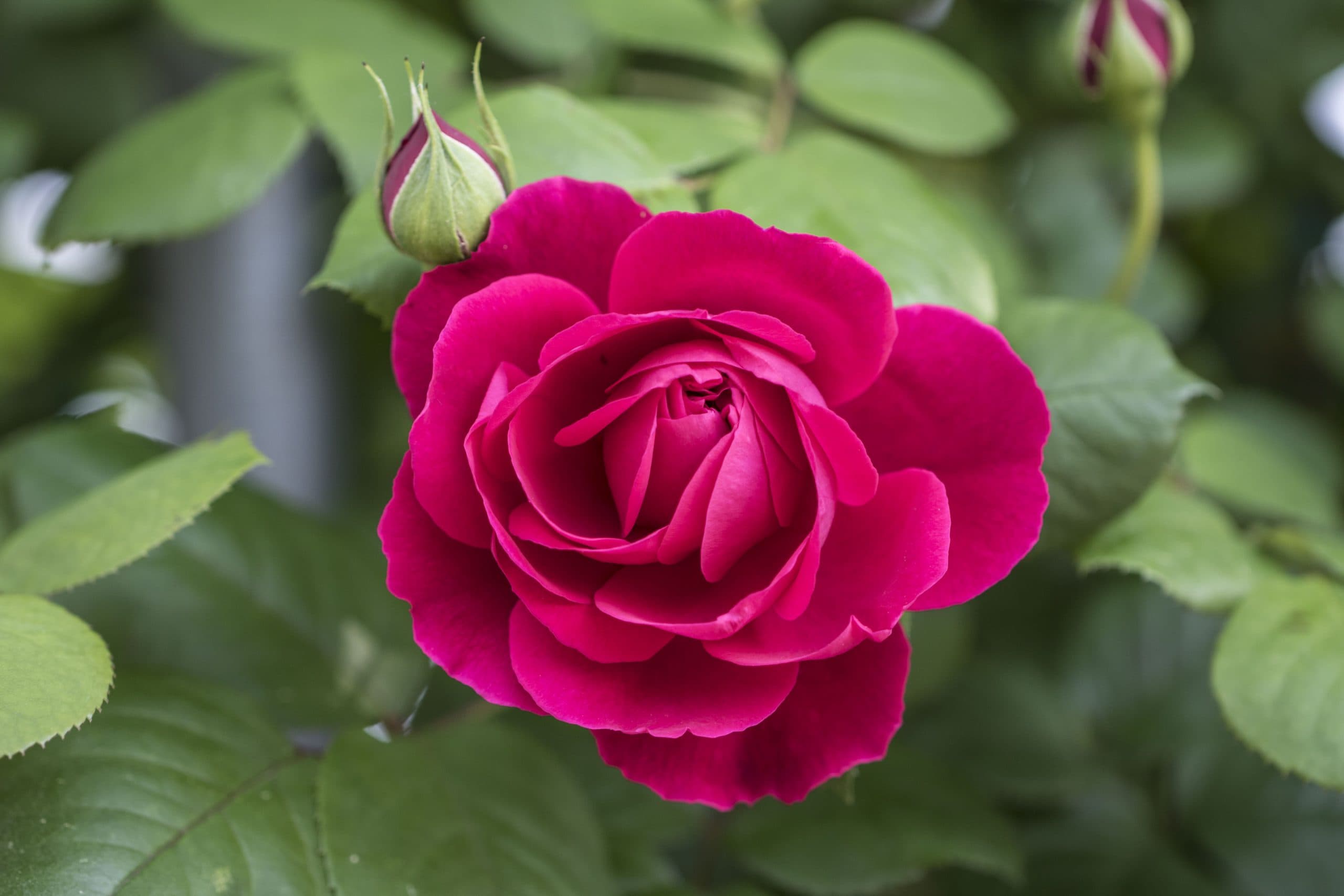
Roses have been a symbol of beauty for thousands of years, and in our tradition there is even the saying “as beautiful as a rose”. Still, when picking roses you have certainly pricked yourself at least once on their sharp thorns, and blood has come from the wound. You got angry and wished the thorns would disappear. That anger is completely unjustified, because the queen of the garden is only defending herself and her beautiful flower. Everyone has the right to defend themselves, and so does the rose. It defends itself from unwanted guests with its thorns! Today the rose is one of the best-known and most loved flowers on all continents, so it is almost impossible to imagine a garden without roses, which with their flowers and lovely scent enrich our living space.

Planting roses
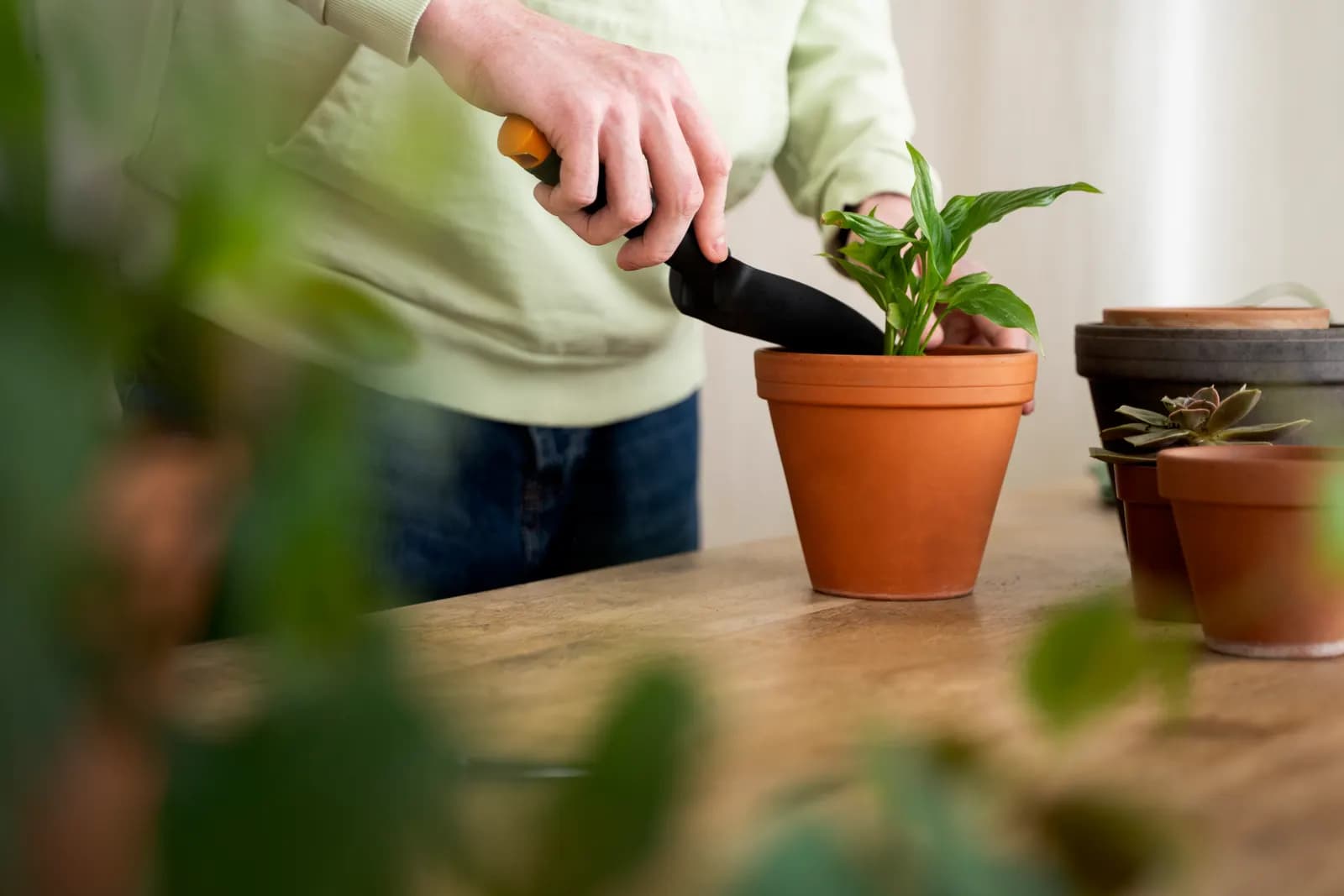
Roses are planted in soil that does not retain water, because a rose's roots should not stand in water. Before planting, the soil must be well drained, and roses grow best in slightly acidic to neutral soil (pH 6,5 to 7). When choosing rose seedlings, pick ones whose bark is brown or grey and that have no spots or wrinkles. For sale there are rose plants with bare roots, roots wrapped in damp peat, moss or foil, and plants in containers. Before planting, leave rose seedlings for a few hours in a large container of water (at least 1 hour, and preferably 6 hours). Remove all damaged and dried above-ground shoots. Seedlings in containers are immersed in water until no more bubbles come out of the container. After that they are taken out, the roots are gently loosened with the fingers and they are left in water, then planted after a few hours. Seedlings with roots wrapped in moss or peat are planted without removing that wrapping, because it will break down in the soil. Roses are planted by digging a hole 40 cm wide and about 30 cm deep, mixing compost with the excavated soil and putting it at the bottom of the hole, then adding water until a mud forms. The root is placed in it and covered with soil to the level at which the seedling was buried in the nursery. The plant is watered generously with several litres of water.
Growing roses

Breeding and growing roses goes back to ancient times. Roses need open spaces protected from wind. They prefer a place with a lot of light but not excessively exposed to the sun. In such conditions they grow better and flower abundantly. They like flat or gently sloping ground, and the lowest temperature this plant tolerates is –18°C. The ideal temperature is 25°C during the day and not lower than 15°C at night. Roses like moderate temperature conditions, and any sudden warming or cooling of the soil acts unfavourably on them. During the year roses must be pruned, dug around, watered, protected from diseases and pests, and fed. Growing roses in the first months after planting means regular and generous watering, so the plant does not die from its roots drying out. In autumn, organic fertiliser should be applied around the plant, which rain and snow will slowly dissolve, enriching the soil around the plant. Before winter, soil should be heaped up so that the root neck sits 5 cm below the ground. This way the plant is protected from cold during winter, and when warmer weather comes, level the mound. Roses put out shoots and new branches throughout the year, and these must be cut back before winter so they do not break under strong wind and the weight of snow. Roses are pruned in spring, when the first shoots appear. Pruning is an essential step in rose care, otherwise they will not flower. For hybrid tea, floribunda and miniature roses, first all dead branches closest to the ground are removed, then all branches growing towards the middle of the bush. All old, thick stems and dead nodes are removed, and the remaining healthy shoots are shortened to a height of 20 to 30 cm. Shrub roses that flower once should be thinned out from time to time and their old branches removed, while for climbing roses all old branches that will become woody are removed, leaving upright shoots so the rose can grow as tall as possible. During the year it is necessary to deadhead regularly, as this encourages new shoots and repeat flowering. Wild shoots should also be removed by clearing the soil and cutting the shoots where they emerge from the stem. When it comes to feeding roses, this can be done with compost, ripe dry manure or a complex mineral fertiliser without chlorine. Specialised rose fertilisers enriched with iron and magnesium can also be found.

Diseases and pests

The most common pest in rose growing is the rose aphid. Rose aphids suck plant sap and excrete the excess plant sugars as a sweet liquid that attracts ants. Relative humidity and high temperatures favour the development and spread of rose aphids. They are controlled by applying soap foam or by spraying with biological products, namely Bio Plantella Thymi. It is a 100% natural plant spray based on thyme and juniper, and it is an effective solution for repelling pests on vegetables, fruit trees, grapevines and ornamental plants. Roses are also attacked by the rose leafroller and the red spider mite. A common rose disease is powdery mildew, which occurs equally in open and protected areas. It is recognised by a greyish-white coating on the upper side of the leaves. The leaves curl and dry out, and powdery mildew can also attack the shoots or flowers of the rose. To fight these diseases, products such as Stroby, Antracol and others will help. Roses are also attacked by rust, which in some varieties can cause defoliation or complete loss of leaves. Symptoms usually appear on the leaves, but other green parts of roses can also be affected. On the underside of the leaves slightly raised orange spots form, and on the upper side brown or yellowish spots appear.
Contact us for more information about the rose seedlings available in our range!