
In an unheated polytunnel in our region you can harvest fresh vegetables for almost the whole year. Early spring and autumn belong to leafy vegetables such as lettuce, spinach, radish and spring onion, and the period from mid-April to October to warmth-loving crops: tomatoes, peppers and cucumbers. The key is that the beds are never left empty and that each crop is planted at the right time.
A polytunnel extends the season by several weeks at the start and at the end, protects plants from rain, hail and wind, and reduces the pressure of diseases that spread across wet leaves, such as on tomatoes. Below is an overview of the work by month, adapted to the continental climate of Bosnia and Herzegovina.
What to plant in a polytunnel by month?
The dates are approximate. In warmer areas, such as Herzegovina and Posavina, everything can be done a week or two earlier, and in higher, mountainous areas the same amount later.
| Period | Sowing and planting in an unheated polytunnel | Other tasks |
|---|---|---|
| February and March | Lettuce, spinach, radish, spring onion, chard, early peas | Growing tomato and pepper seedlings in a warm, bright place |
| April | Planting tomatoes from mid-month, and peppers and cucumbers towards the end of the month | Fleece at hand for cold nights |
| May and June | Transplanting cucumber, basil between the rows | Tying up, pinching out side shoots, regular ventilation |
| July and August | Harvest, and at the end of August sowing of autumn lettuce, endive and spinach | Shading, watering in the morning |
| September and October | Lamb's lettuce, spinach, winter lettuce, radish, spring onion | Removing summer crops, soil preparation |
| November to January | Overwintering of lettuce, spinach and lamb's lettuce | Cleaning, repairing the film, crop rotation plan |
Early spring: leafy vegetables and seedlings
As soon as the days become longer and the soil in the polytunnel can be worked, sow crops that tolerate cold. Lettuce, spinach and radish germinate even at low temperatures, and the harvest comes before the beds are needed for tomatoes. During cold nights cover the crop additionally with fleece.
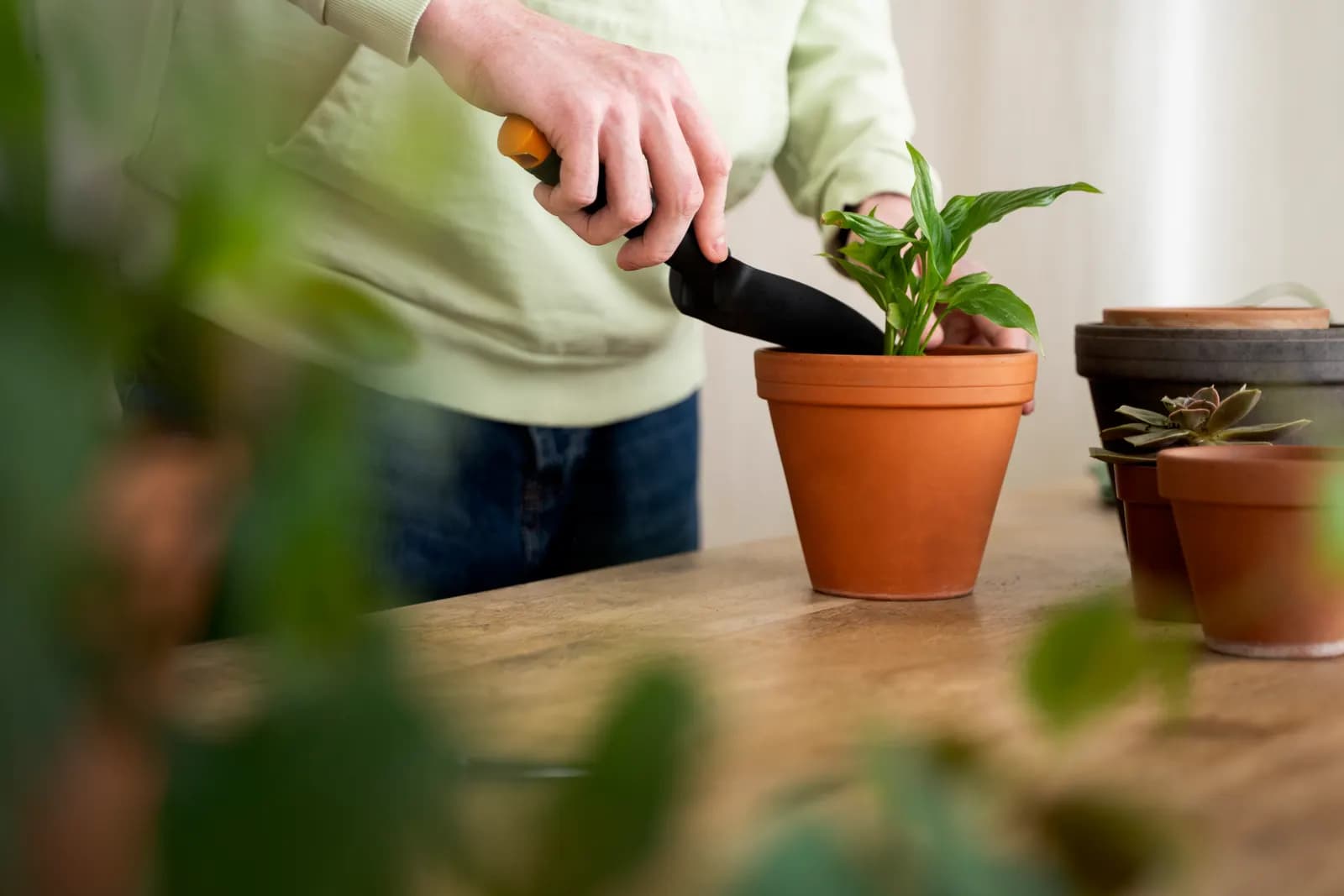
At the same time, seedling growing begins. Peppers are sown earlier because they grow more slowly, and tomatoes a few weeks after them. Seedlings need warmth and plenty of light, so they are grown indoors or in a heated space, in containers and pots with sowing substrate. If you do not have the conditions for your own seedlings, you can buy ready-grown vegetable seedlings in season.
When to plant tomatoes, peppers and cucumbers in the polytunnel?
Plant warmth-loving crops when the soil in the polytunnel has warmed up and night temperatures inside no longer fall close to zero. In most of BiH this is from mid-April for tomatoes, and for peppers and cucumbers, which are more sensitive to cold, from late April to early May. Outdoors the same crops are planted only after mid-May, so the polytunnel gives an advantage of three to four weeks.
- Before planting, acclimatise the seedlings to the conditions in the polytunnel for a few days.
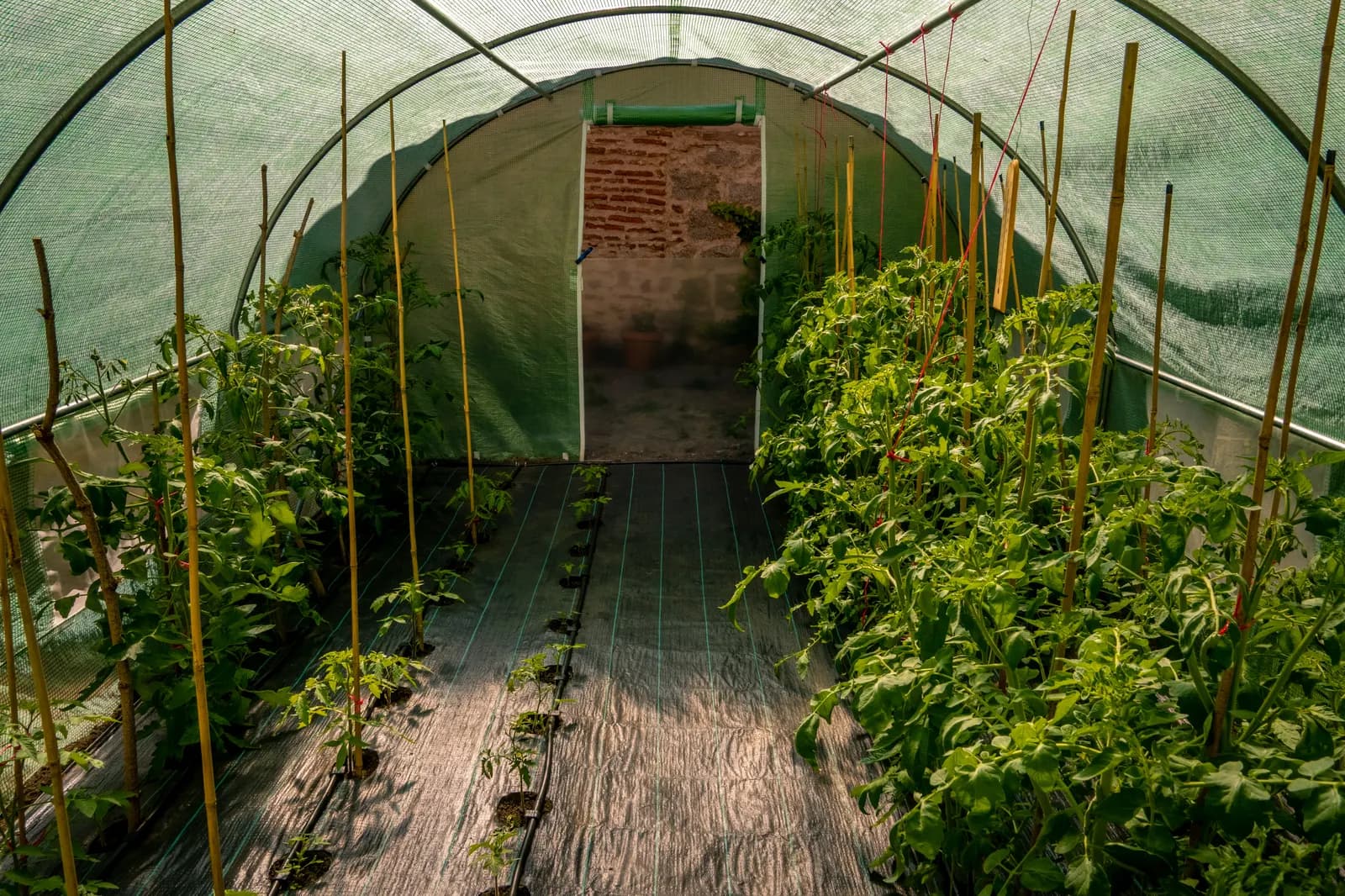
- Plant tomatoes at a spacing of about 50 centimetres in the row, with enough space between rows for passage and air flow.
- Place a stake or tie next to each plant straight away, so you do not damage the roots later.
- Add ripe compost or organic fertiliser to the planting hole and water well.
Summer: ventilation, watering and shading
In summer the biggest enemy in a polytunnel is overheating. At temperatures above 30 degrees, tomatoes and peppers set fruit poorly, and flowers drop.
- Ventilate every day. Open both ends of the polytunnel in the morning and close them only in the evening. Air movement dries the leaves and reduces the risk of late blight and grey mould.
- Water in the morning and at the root. Wet leaves overnight favour disease. A drip irrigation system delivers water right to the plant and saves time. Lay the drip hoses before planting, while the beds are still empty.
- Shade the polytunnel during the hottest part of summer. A shading net over the film lowers the temperature and protects the fruit from sunburn.
- Regularly pinch out side shoots and tie up the plants. Tomatoes trained on a single stem give larger and healthier fruit.
- Feed. From the start of flowering, fruiting vegetables need regular feeding with a fertiliser for tomatoes and fruiting vegetables, according to the instructions on the pack.
To monitor flying pests, such as whitefly, yellow sticky traps hung above the plants are useful. If you use plant protection products, always read the label and instructions before use and use the products safely.
Autumn and winter: a second season in the polytunnel
Many people empty the polytunnel in October and leave it empty until spring, yet that is exactly when a second season begins. At the end of August and in September, as soon as some beds are free, sow lamb's lettuce, spinach, winter lettuce varieties and radish. These crops tolerate frost, and under film and fleece they grow until late autumn and continue as soon as the days lengthen in February. Look for seed in the category vegetable seed.
Winter is a time for maintenance. Remove all plant residues, because diseases and pests overwinter on them. Wash the film so that it lets in more light, tighten it and patch any damage. After heavy snow, clear the load from the polytunnel roof so the frame does not deform.
Crop rotation and soil in the polytunnel
On a small area it is hard to avoid tomatoes returning to the same place, but it is worth trying. Tomatoes, peppers, aubergines and potatoes belong to the same family and share the same diseases, so they should not be planted on the same bed year after year. Alternate them with cucumbers, legumes and leafy vegetables. Every autumn or early spring, work ripe compost or organic fertiliser into the soil, and do not leave the soil bare between seasons.
Next steps
Draw your polytunnel on paper and write down what grows on which bed in spring, summer and autumn. This way you will know in good time which seed and seedlings you need. You will find films, containers and pots for transplanting, shading nets and clips in the category Polytunnels, and Plantella and Bio Plantella substrates and fertilisers in the category Fertilisers and soil.
To see which work is current this month, check our calendar, for example for February, when the new season begins. For advice on choosing film and equipment, drop by the Agricom stores and garden centres. Addresses are on the Stores page.