

Grasses and clovers
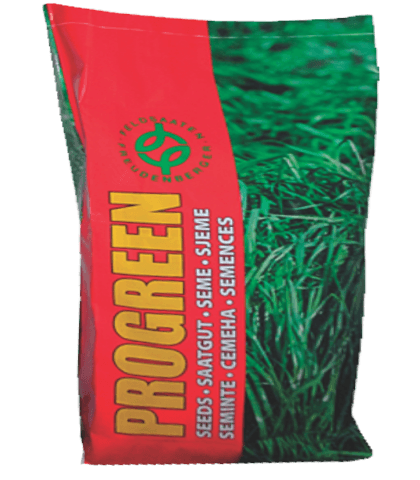
Grass seed mixes for parks and recreational areas
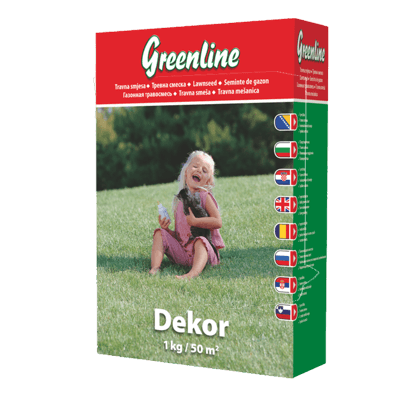
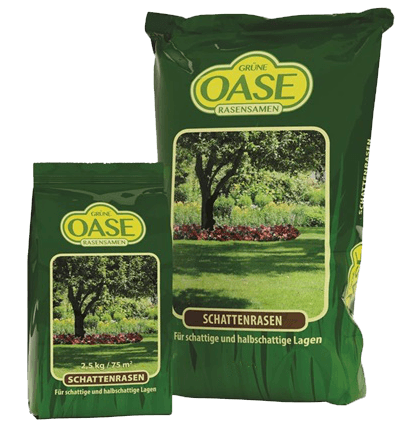
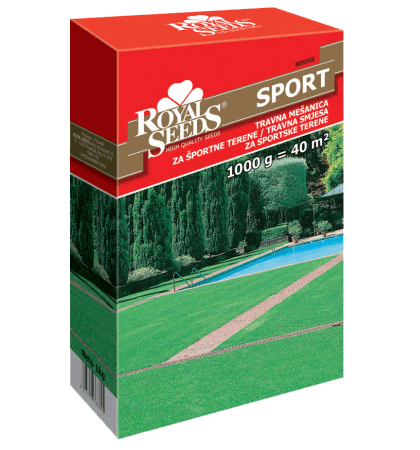
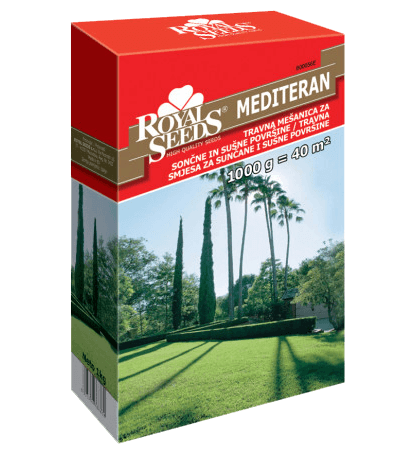
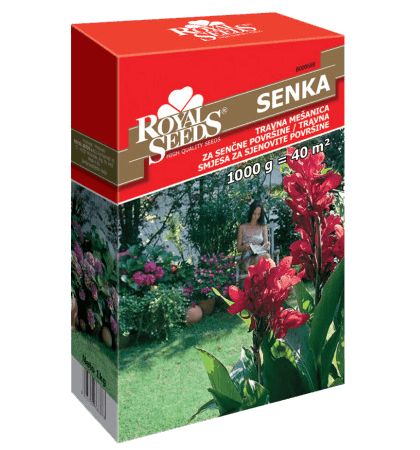
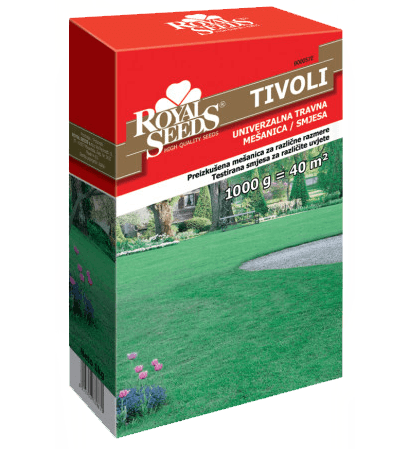
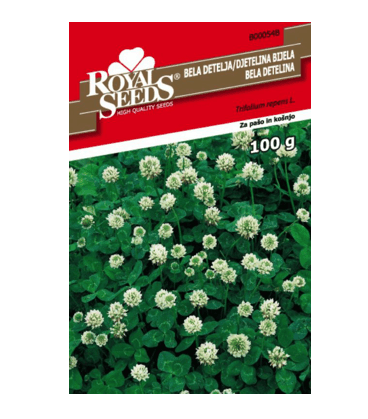
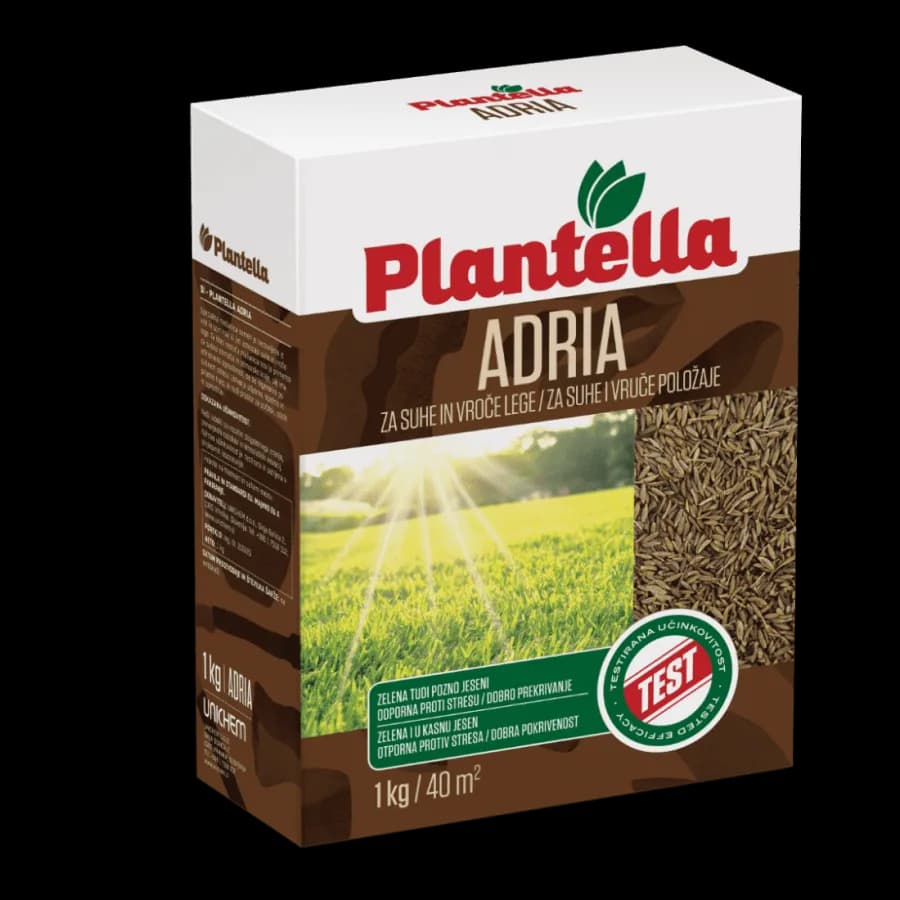
A nice lawn begins with choosing a grass seed mix that suits the site and its use. The range includes the grass seed mixes Green Field, Greenline, OASE, Royal Seeds and Plantella, with varieties from recognised seed houses suited to our climate and soil conditions, as well as seed of grasses, clovers and fodder beet for producing livestock feed.
Read more
In nature there is no grass that thrives in all conditions. That is why mixtures of several species that complement each other are used for lawns, so that the lawn is more resistant to trampling, disease and moss. For sunny areas where people play and spend time, choose sports mixes; for places under tree canopies and along walls, shade mixes; and for repairing thinned spots, overseeding mixes.
Grass is best sown in spring, in April and May, or at the end of summer and the beginning of autumn, when the soil is warm and has enough moisture. A lawn needs care all year round: regular mowing, watering in dry periods and feeding, preferably with lawn fertilisers.














Tips on growing grasses
SOIL PREPARATION - The soil must be thoroughly dug over and broken up, and all impurities and weeds removed from it. Afterwards it should be levelled with a rake, left for two days, and then the starter fertiliser is spread.
SOWING - We sow in spring or autumn, when the temperature reaches at least 10 °C. Sow the seed evenly over the whole area. We recommend the usual sowing rate of about 30 g/m², or hand sowing from left to right and then half again from top to bottom. Lightly rake the seed into the soil (no deeper than 5 mm) and roll the surface. After sowing, water regularly, preferably with a gentle sprinkler.
WATERING - In the first 3 to 4 weeks after sowing, freshly germinated seed needs a lot of moisture. The lawn must also be watered in later stages, because grass roots lie very shallow in the soil and cannot take up water from deeper layers. It is therefore necessary to keep the lawn moist and to water it as needed. About 8 to 10 l/m² is needed for the lawn to be optimally watered. Water early in the morning or late in the afternoon. Insufficient watering causes the grass to dry out and turn yellow.
MOWING - Mow the lawn for the first time when the grass reaches a height of 8 cm, cutting it down to 5 cm. For subsequent mowings, cut at a height between 3 and 6 cm, and take care not to mow too low, because the grass then regrows more slowly. Before the snow falls, mow the grass so that in winter, under the weight of the snow, it does not rot. Mow once or twice a week, or 2 to 3 times a month, depending on the type of lawn.
FEEDING - Grass removes nutrients from the soil, so we recommend feeding with special lawn fertilisers. Feed 2 to 3 times a year, with 15 to 20 g/m². Give the first feeding at the end of February and the second in mid-March. Feed before rain or before watering the lawn. Do not feed during periods of high daytime temperatures. Before winter, feed with a potassium fertiliser, which makes the lawn more resistant to cold.
AERATION - Aeration is carried out before fertilising and watering, in spring and autumn, with a fork or with spiked rollers to a depth of 2 to 3 cm. Raking the lawn also aerates it, and at the same time removes dry grass, which negatively affects the normal growth of the grass as well as the development of disease. Lawns are often on soil that is not sandy enough, so little air reaches the roots. Drilling holes into which sand is poured ensures that water drains better and the roots breathe better.