

Onion sets
Onion sets
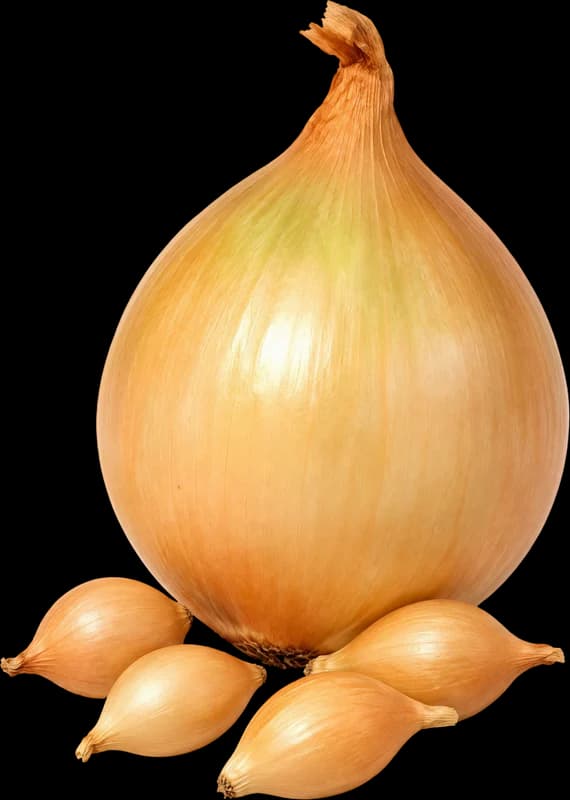
Onion sets are small bulbs grown from seed, which are planted so that a large bulb develops from them. Planting onion sets gets you to a crop faster and more reliably than sowing seed. The range includes onion sets for spring and autumn planting, as well as garlic for planting.
Spring onion sets are planted as soon as the soil has dried out and can be worked, most often from the end of February to April. The bulbs are pressed into loose soil so that the tip remains just below the surface, at a spacing of about 10 cm in the row and 25 to 30 cm between rows. Smaller onion sets are less likely to bolt and give bulbs that store better, while larger ones are more suitable for spring onions.
Read more
Onions do not tolerate fresh manure or waterlogged soil, and should return to the same bed only after three to four years.
Onion set varieties
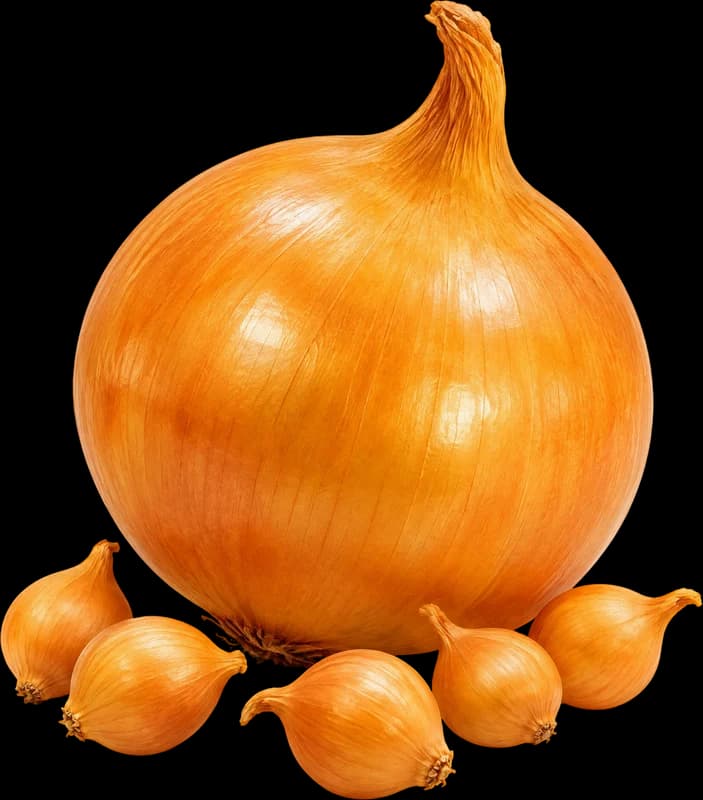
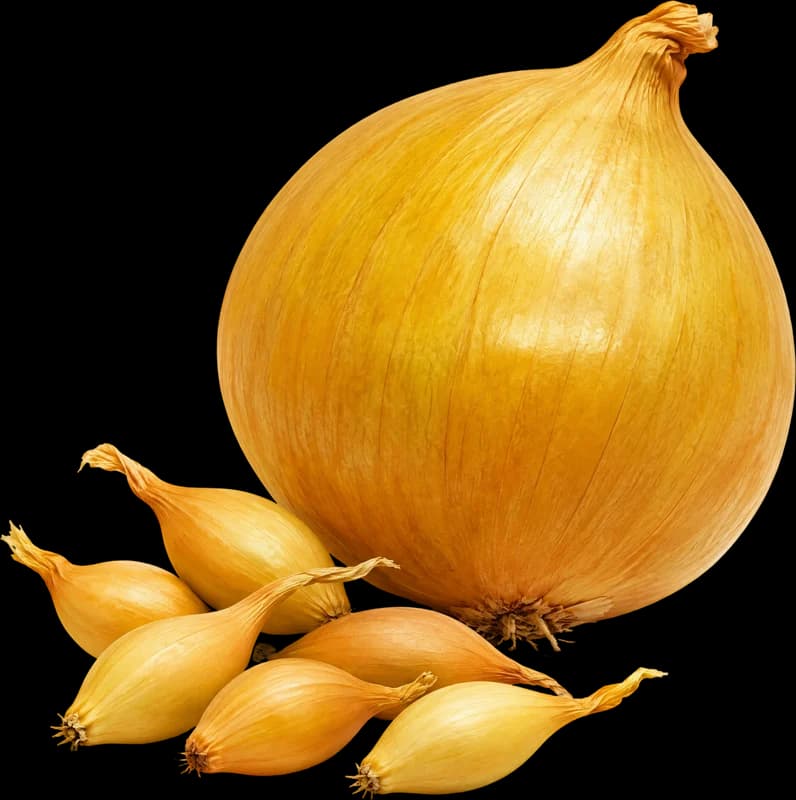
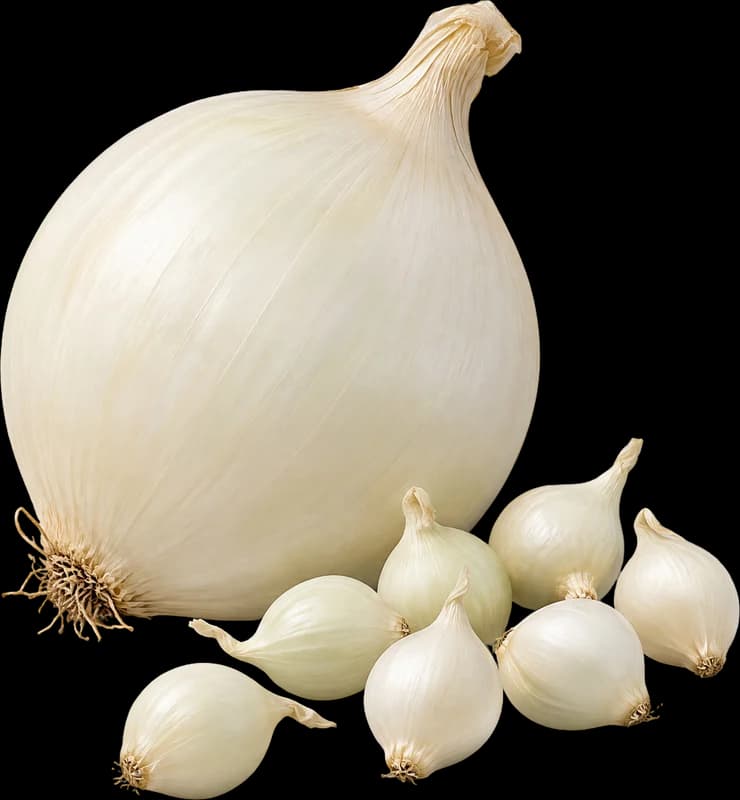
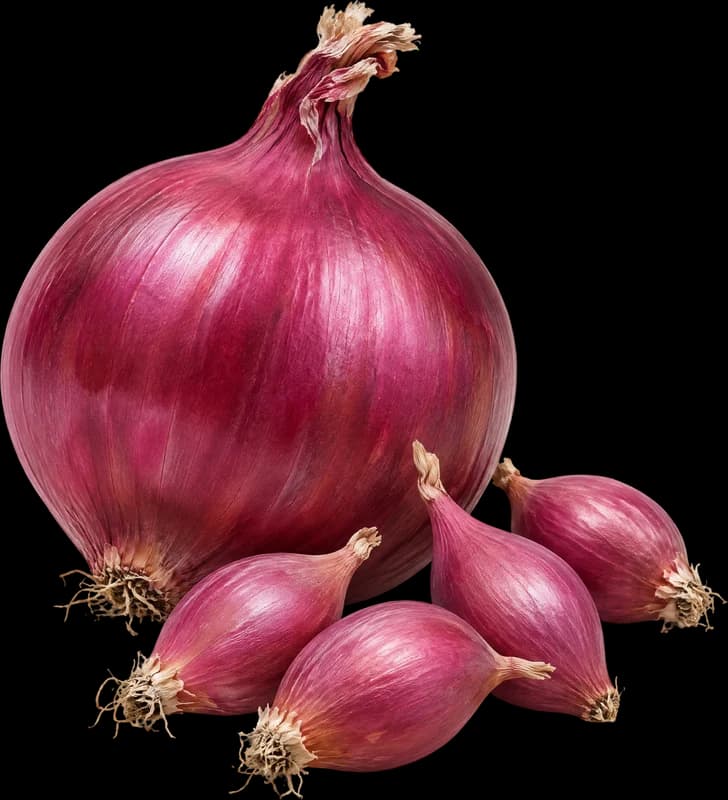
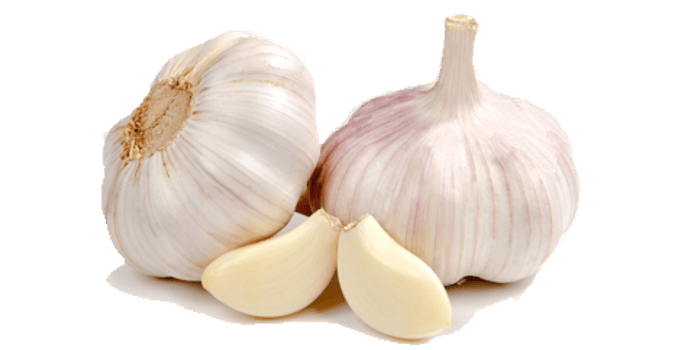
The range includes Stuttgarter Riesen (Dutch yellow), a medium-early and most sought-after variety with a moderately pungent flavour, and Sturon, a high-yielding variety that stores well. White Lisbon (silverskin) is an early white variety, and Ptujski crveni (Ptuj red) is an early variety with a burgundy colour, most often used fresh. Radar is an autumn variety: it is planted from mid-September and used as spring onion or immediately after lifting. There is also white garlic, which is usually planted in autumn.
6 products
Tips on growing onions
Onions adapt very quickly to different climatic conditions. They are used as spring onions, when the whole plant is eaten, or at full maturity, when only the bulb is used. They contain the most carbohydrates, the mineral substances Ca, Mg, Mn, Fe and Al, vitamins B1, B2, C, E and K, provitamin A and bacteriostatic substances. They have an antimicrobial effect against many bacteria, act against cardiovascular diseases, and lower blood pressure and blood fats.
The quality of onions is affected by the choice of variety, irrigation, planting time, fertilisation, harvest time, as well as temperature and light. Onions germinate at a temperature of 2 to 3 °C. They need water in the initial phase, from emergence to the formation of leaves, while in later stages of development the need for water decreases. Too high humidity leads to the formation of large bulbs, but of lower quality, and the ripening of the bulbs is often prolonged. For longer storage, varieties with more dry matter are better, of which Stuttgarter Riesen (Dutch yellow) is the most widespread and most sought-after. Onions are harvested when about 50 to 60% of the bulbs have fallen over. They ripen at the end of July and the beginning of August. Before storage, onions must be dried thoroughly.