

Cereals
Cereal seed
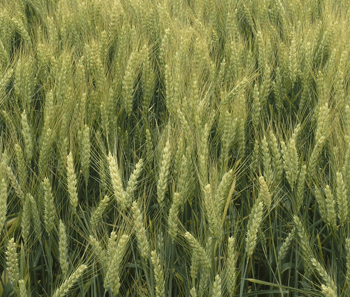
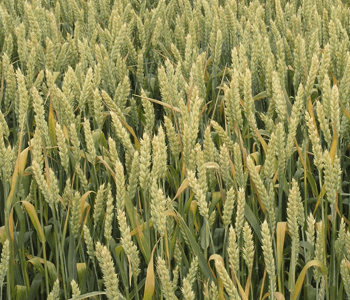
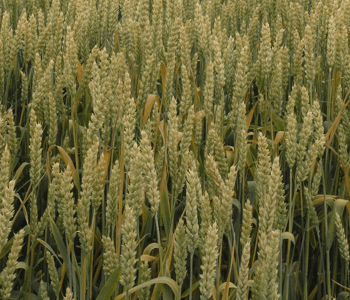
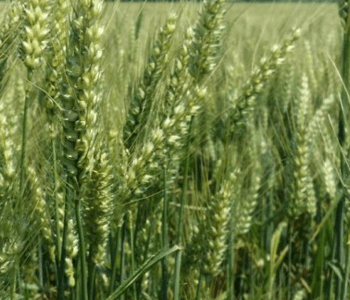
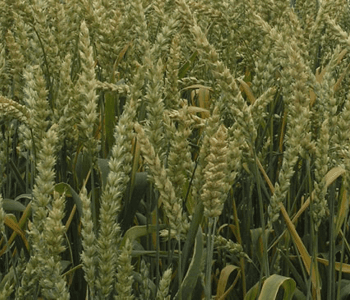
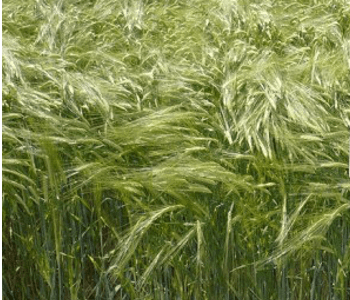
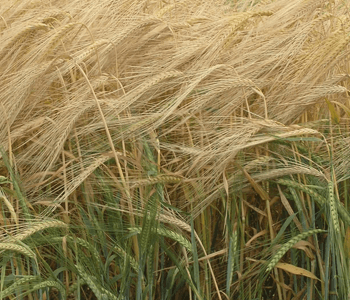
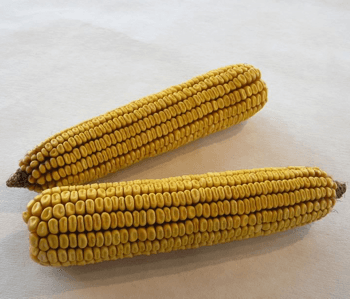
Cereals are the most widespread and most important crop plants: they are used for feeding people and animals and as raw material for the food industry. The range includes seed of winter wheat and winter barley, maize hybrids, and rye and triticale.
The grain is rich in carbohydrates, proteins, cellulose, minerals and vitamins, and contains very little fat. The most important cereals are wheat, maize, barley, rye, oats and triticale. In food, whole grains, flour and flour products such as bread and pasta are used.
Read more
Small grain cereals have winter and spring varieties: winter varieties are sown in autumn, most often in October, and spring varieties in early spring. Maize hybrids are classified by length of growing season into maturity groups from 100 to 1000. Hybrids in groups 100 to 300 are early, 400 and 500 are medium, and 600 and above are late. Early hybrids are more suitable for hilly and cooler areas, and late ones for warmer regions with a longer growing season.
12 products
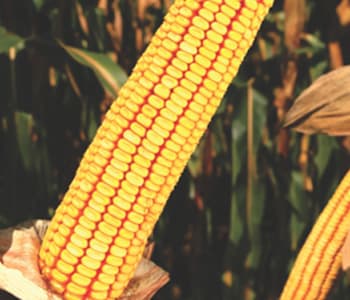
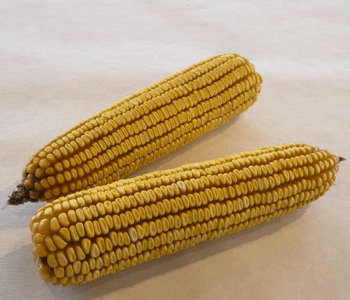
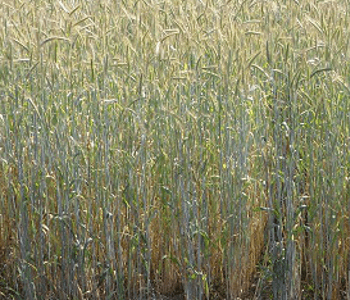
Tips for growing cereals
When sowing winter cereals, it is necessary to draw the attention of farmers to several important factors that affect the height of the yield and that we must take into account. The optimal amount of seed is the amount needed per unit area to ensure a high yield, and it depends on:
- the physical properties of the seed (weight of 1,000 grains)
- the variety
- the sowing date
- weather and climatic conditions
- the condition of the plot
The weight of 1,000 seeds is not constant and changes from one growing season to the next. It is nevertheless a characteristic of the variety. Germination and purity are stated on the declaration. For most varieties sown in our areas we sow about 600 grains per square metre, which is about 18 to 22 kg/dun when sown with a drill, and about 25 kg/dun by hand. The optimal sowing period is from 10.10 to 25.10, and if sowing is delayed, the seed rate increases by 0.5% for each day of delay. If the plot is not well prepared, increase the sowing rate by 10%. Fertilisation must match the fertility of the soil. For basic fertilisation it is recommended to plough in 10 kg/dun of urea and 30 kg/dun of NPK 7:20:30. For starter fertilisation (pre-sowing preparation) add 20 kg/dun of NPK 15:15:15. Early spring top-dressing is very important. For the first top-dressing 15 to 20 kg/dun of KAN is recommended, and for the second 15 kg/dun of KAN. The choice of variety and farming practice is decided by the producer, but it would nevertheless be necessary to consult experts.
When choosing an ecologically sound crop rotation for growing cereals, it is always good to sow part of the arable land with one of the green manure crops. Legumes, for example, can fix nitrogen from the air and bring it into the soil. Moreover, after lupins and peas the calcium content of the soil rises. Crops such as cornflower increase the phosphorus content of the soil, while phacelia and corncockle increase the potassium content. Plants that overwinter are generally mown while still green and then ploughed in. In this way the total organic matter content of the soil also increases, which encourages life and fertility.